Master Your Aquarium Skills with These Essential Tips for 2026
As we approach 2026, the fascination with aquariums continues to grow. Whether you are a novice or a seasoned aquarist, mastering the art of aquarium keeping requires dedication and knowledge. This blog provides essential tips to help you elevate your aquarium skills to new heights.
Understanding Your Aquarium Environment
The first step in mastering your aquarium skills is understanding the environment you are creating for your aquatic life. It is vital to know the specific needs of the fish and plants you intend to keep. Different species of fish have varying requirements for water temperature, pH levels, and tank mates. Researching these needs will provide a solid foundation for a thriving aquarium.
Water Quality Management
Water quality is paramount in maintaining a healthy aquarium. Regular testing for ammonia, nitrites, nitrates, and pH levels is necessary to ensure that your fish are in a safe environment. Invest in a reliable water testing kit and perform routine checks. Additionally, performing weekly water changes of 10 to 15 percent will help maintain optimal water conditions and prevent the buildup of harmful toxins.
People Also Look For:
- Superfish Start 30 Aquarium Tropical 25L - Black
- hygger Aquarium Heater Adjustable Power 600W/1200W, Fish Tank Heater with Led Digital Display Controller, Dual Quartz Glass for 50...
- Back Filter Fish Tank with LED Light - Compact Silent Aquarium, All-in-One Filtration for Desktop Decor (30 * 30 * 30CM)
- Tetra AquaSafe to Turn Tap Water into Safe and Healthy Water for Fish and Plants, 500 ml
- hygger Aquarium Magnet Cleaner Brush,Fish Tank Cleaning Brush, Floating Magnet Aquarium Cleaner Fish Tank Scraper Cleaner with Two...
Choosing the Right Filtration System
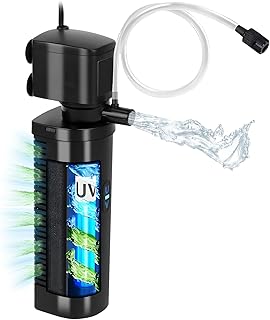
A quality filtration system is crucial for the health of your aquarium. The right filter will help remove debris, toxins, and harmful substances from the water. When selecting a filter, consider the size of your aquarium and the type of fish you are keeping. There are several types of filters available, including hang-on-back, canister, and sponge filters. Each has its advantages, so choose one that best suits your needs.
Lighting Considerations
Lighting plays a significant role in the overall health of your aquarium. It not only enhances the visual appeal but also affects plant growth and fish behaviour. Different species of plants and fish require different lighting conditions. For planted tanks, consider using LED lights that mimic natural sunlight. Ensure to provide a light cycle of around eight to twelve hours per day to promote healthy growth while preventing algae issues.
Feeding Your Fish Properly
Feeding is an essential aspect of aquarium care that should not be overlooked. Overfeeding can lead to poor water quality and health issues for your fish. It is advisable to feed your fish small amounts multiple times a day rather than one large feeding. Research the dietary needs of your fish to ensure you are providing a balanced and nutritious diet. This may include flakes, pellets, frozen foods, and live foods depending on the species.
Regular Maintenance and Observation
Routine maintenance is crucial for a successful aquarium. Regularly clean the tank, check the equipment, and monitor the health of your fish. Observing your fish daily will help you identify any changes in behaviour or appearance that may indicate stress or illness. Keeping a maintenance schedule can simplify tasks such as water changes, filter cleaning, and algae removal, ensuring your aquarium remains a healthy and vibrant ecosystem.
Creating a Balanced Ecosystem
Creating a balanced ecosystem within your aquarium involves more than just adding fish and plants. It is important to understand the nitrogen cycle, which is the process of beneficial bacteria breaking down waste products in the tank. This cycle is crucial for maintaining water quality. Introduce fish gradually to allow the biological filter to adjust. Mixing compatible species will also enhance the overall health and well-being of your aquarium.
Exploring Aquascaping Techniques
Aquascaping is the art of arranging aquatic plants, stones, and other decorations in your aquarium. This not only enhances the aesthetics but also provides hiding spots and territories for your fish. Consider the principles of design, including balance, contrast, and scale when planning your aquascape. Various styles, such as Dutch, Japanese, and biotope aquascaping, offer diverse approaches to creating a visually stunning environment.